
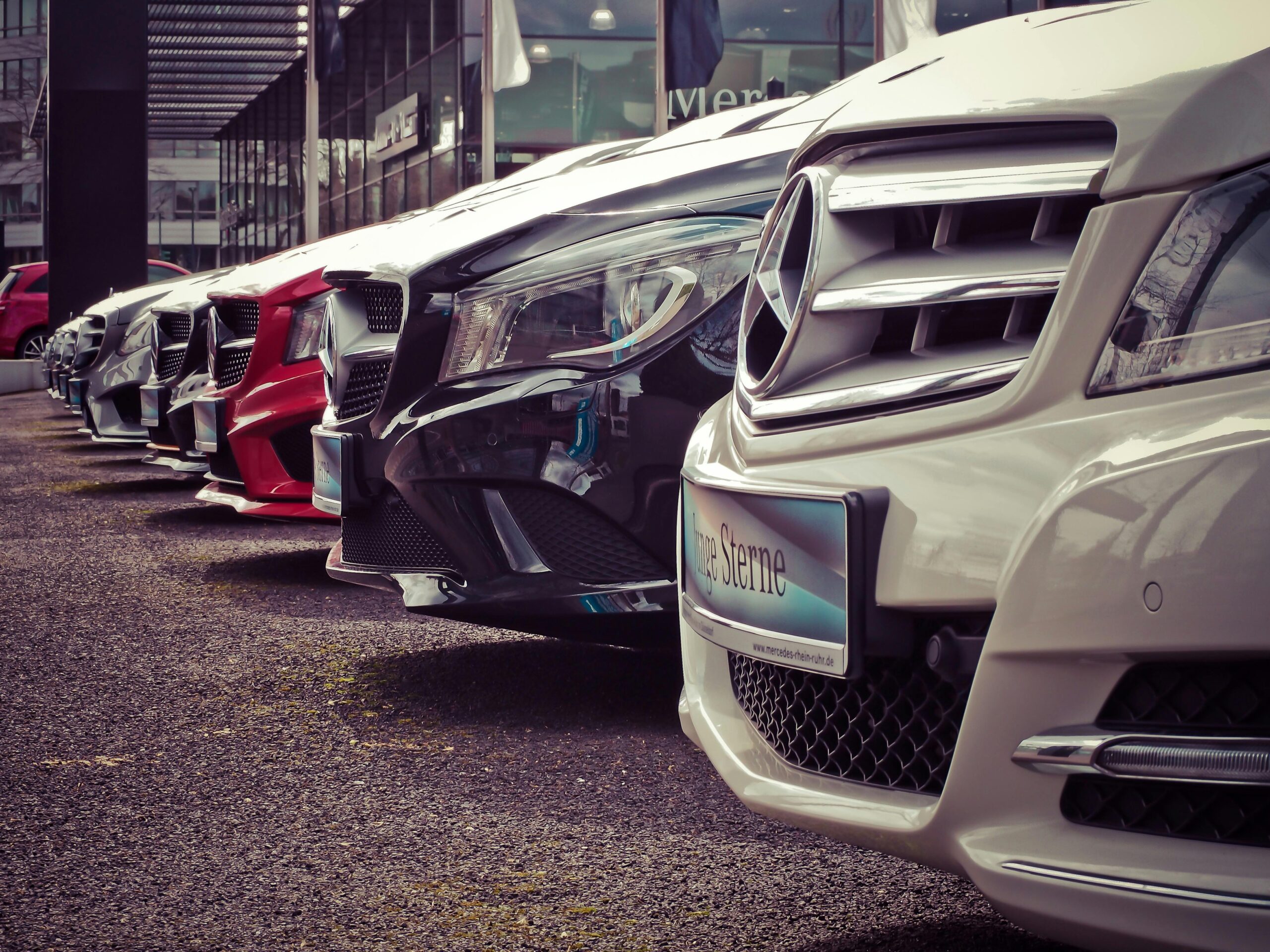
Buying a used car in India has become increasingly popular due to rising new car prices, faster depreciation of new vehicles, and the availability of quality pre-owned options online. A well-maintained used car can deliver excellent value for money—but only if you inspect it carefully before making a purchase. Many buyers rush the process and later face hidden repair costs, legal issues, or ownership complications.
This guide covers everything you must check before buying a used car in India, helping you make a safe, informed, and confident decision.
1. Verify the Car’s Registration Certificate (RC)
The Registration Certificate is the most important document for any vehicle. Ensure that:
- The RC is original and valid
- The seller’s name matches the RC owner
- The registration number, engine number, and chassis number match the car
Check whether the car is registered as a private or commercial vehicle. Also confirm that the vehicle is not under loan hypothecation. If it is, make sure the loan has been cleared and the bank NOC is available.
2. Check Vehicle History and Ownership Details
Always ask how many owners the car has had. First-owner cars are usually preferred as they tend to be better maintained. Multiple ownership transfers can sometimes indicate higher wear and tear.
Also verify:
- Whether the car was involved in accidents
- Any major repairs or insurance claims
- Flood or fire damage history
Avoid cars with unclear ownership history or unresolved legal issues, even if the price seems attractive.
3. Inspect the Exterior Condition Carefully
A visual inspection can reveal a lot about a car’s past. Walk around the car and look for:
- Uneven paint shades (sign of repainting after an accident)
- Rust around doors, wheel arches, and underbody
- Dents, scratches, or misaligned panels
Check that all doors, bonnet, and boot open and close smoothly. Uneven gaps between panels may indicate structural damage.
4. Examine the Interior and Cabin Features
The condition of the interior reflects how well the car was maintained. Look for:
- Excessive wear on seats, steering wheel, and pedals
- Working air conditioning and infotainment system
- Functional power windows, mirrors, and central locking
Strong odors, water stains, or electrical issues may indicate flood damage—this is a major red flag and should be avoided.
5. Engine and Mechanical Inspection
The engine is the heart of the car. Start the engine and observe:
- Smooth ignition without excessive cranking
- No unusual knocking, rattling, or clicking sounds
- Minimal smoke from the exhaust
Check engine oil and coolant levels. Milky oil or low coolant could signal serious engine problems. If you’re not confident, have a trusted mechanic inspect the car before finalizing the deal.
6. Test Drive Is Non-Negotiable
Never buy a used car without a test drive. During the drive, pay attention to:
- Smooth acceleration and braking
- Gear shifts without jerks or delays
- Steering alignment and vibrations
- Suspension noise on rough roads
Drive the car at different speeds and road conditions. A short drive around the block is not enough—take at least 10–15 minutes.
7. Insurance and Claim History
Check whether the car has active insurance. Comprehensive insurance is always better than third-party coverage. Review past insurance claims to identify accident history.
A car with frequent claims may indicate rough usage or recurring issues. Also confirm the No Claim Bonus (NCB), which can reduce future insurance costs.
8. Mileage vs Age Evaluation
Low mileage is attractive, but it should align with the car’s age. Extremely low mileage on an old car can be suspicious. A well-driven car with consistent servicing is often better than a rarely-used vehicle.
On average:
- Petrol cars: 10,000–12,000 km per year
- Diesel cars: 15,000–20,000 km per year
9. Fair Pricing and Market Comparison
Research the market value of the car model based on:
- Year of manufacture
- Variant and fuel type
- Mileage and condition
Compare prices across platforms before negotiating. Avoid deals that seem too cheap—they often hide costly problems.
10. Ownership Transfer and Documentation
Ensure that all documents required for ownership transfer are available:
- RC transfer forms
- Insurance transfer
- Pollution certificate
- Address proof
Complete the ownership transfer immediately after purchase to avoid legal complications in the future.
Conclusion
Buying a used car in India can be a smart financial decision if done carefully. By verifying documents, inspecting the vehicle thoroughly, and taking a proper test drive, you can avoid common mistakes and unexpected expenses. Never rush the process—take your time, compare options, and prioritize transparency.
A well-checked used car not only saves money but also delivers years of reliable driving. With the right approach, your pre-owned car purchase can be just as satisfying as buying a new one.
Add a Comment